

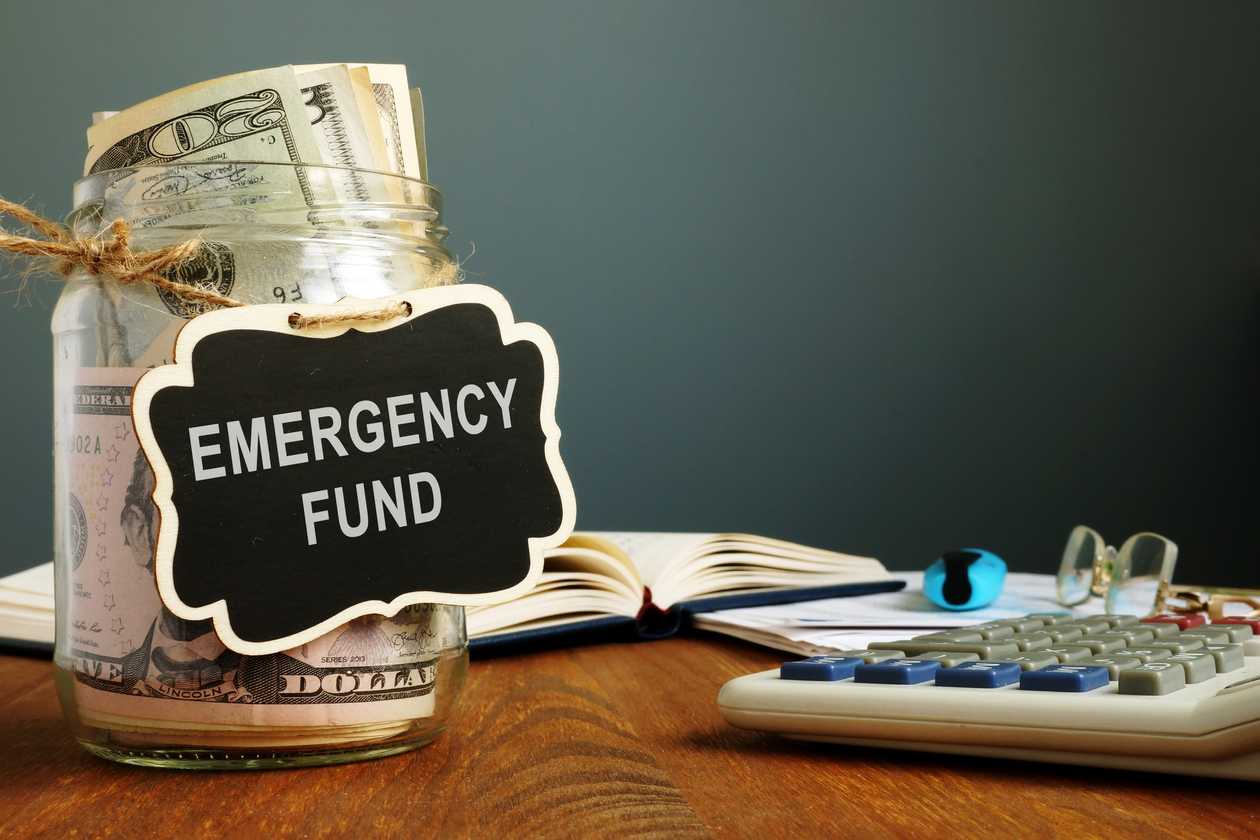
Life is unpredictable. No matter how well you plan your finances, unexpected situations can arise at any time. These situations can create financial stress if you are not prepared.
This is where an emergency fund becomes important. It acts as a safety net that protects you during difficult times. In 2026, with increasing expenses and uncertain job markets, having an emergency fund is not optional. It is necessary.
If you are new to financial planning, this guide will help you understand everything about emergency funds in simple and practical terms.
What is an Emergency Fund?
An emergency fund is a separate amount of money that you keep aside for unexpected situations. It is not for regular expenses or planned purchases.
You should use this fund only during emergencies such as:
Medical issues
Job loss
Urgent home repairs
Unexpected travel
The purpose of this fund is to give you financial support when you need it the most.
Why an Emergency Fund is Important
Many people ignore emergency funds because they do not see an immediate need. But when a crisis happens, they realize its importance.
Without an emergency fund, people often:
Take loans at high interest
Use credit cards and fall into debt
Sell investments at the wrong time
An emergency fund helps you avoid these problems. It gives you peace of mind and financial stability.
You do not have to depend on others or take risky financial decisions.
How Much Emergency Fund Should You Have
The most common question people ask is how much money they should save.
A simple rule is to save at least 3 to 6 months of your monthly expenses.
If your monthly expense is ₹30,000, your emergency fund should be between ₹90,000 and ₹1,80,000.
If your job is unstable or you are self-employed, you should aim for a larger fund, around 6 to 12 months of expenses.
The exact amount depends on your lifestyle, responsibilities, and income stability.
How to Calculate Your Emergency Fund
To calculate your emergency fund, first list your essential monthly expenses.
These include:
Rent or home loan EMI
Food and groceries
Electricity and utility bills
Transportation
Insurance premiums
Do not include luxury expenses like shopping or entertainment.
Once you know your monthly essential expenses, multiply it by the number of months you want to cover.
This gives you a clear target.
Where to Keep Your Emergency Fund
Your emergency fund should be easily accessible. At the same time, it should be safe.
You should not invest this money in high-risk options like stocks or cryptocurrency.
The best places to keep your emergency fund are:
Savings account
Fixed deposit with easy withdrawal
Liquid mutual funds
The goal is not high returns. The goal is safety and quick access.
How to Build Your Emergency Fund
Building an emergency fund may feel difficult at first, especially if your income is limited. But you can do it step by step.
Start by saving a small amount every month. Even 5 to 10 percent of your income is enough to begin.
Increase your savings gradually as your income grows.
You can also:
Cut unnecessary expenses
Use bonuses or extra income
Save tax refunds
The key is consistency. Small savings over time can build a strong fund.
When to Use Your Emergency Fund
It is important to use your emergency fund only for real emergencies.
Before using it, ask yourself:
Is this situation urgent?
Do I have any other option?
Do not use it for:
Shopping
Vacations
Gadgets
If you use your emergency fund for non-essential expenses, it defeats its purpose.
What to Do After Using Your Emergency Fund
If you use your emergency fund, your next goal should be to rebuild it.
Start saving again as soon as possible.
Treat it as a priority. Just like you built it the first time, you can build it again.
Having a full emergency fund at all times ensures continuous financial security.
Emergency Fund vs Savings
Many people think their regular savings are enough. But there is a difference between general savings and an emergency fund.
Savings can be used for planned expenses like travel, shopping, or buying a gadget.
An emergency fund is only for unexpected situations.
Keeping them separate helps you stay financially disciplined.
Common Mistakes to Avoid
While building an emergency fund, people often make mistakes.
Some of the most common ones are:
Not starting at all
Keeping the fund in risky investments
Using it for non-emergencies
Not updating it as expenses increase
Avoiding these mistakes will help you build a reliable safety net.
Tips to Stay Consistent
Staying consistent is the biggest challenge.
To make it easier:
Automate your savings
Set a monthly target
Track your progress
Celebrate small milestones
When you see your fund growing, you feel motivated to continue.
Who Needs an Emergency Fund the Most
An emergency fund is important for everyone, but some people need it more than others.
These include:
People with unstable jobs
Self-employed individuals
Families with dependents
People with loans or EMIs
If you fall into any of these categories, building an emergency fund should be your top priority.
Final Thoughts
An emergency fund is one of the most important parts of financial planning.
It may not give you high returns, but it gives you something more valuable. It gives you security and peace of mind.
In 2026, financial uncertainty is a reality. Being prepared is the best way to protect yourself.
Start today. Even a small amount can make a big difference.
Over time, your emergency fund will become your strongest financial support system.